
Lupin The Third as a Period Piece - An Addendum
This article was produced concomitantly with Drew Hunter & Third Impact podcast’s panel at Animazement and it tackles similar topics.
As time passes, it becomes necessary to re-examine one’s previous works with a critical eye. My very first article on Lupin Central stemmed from a discussion on a social media platform I am no longer using, on whether Lupin III worked better as a period piece, or by keeping with the times.
My conviction then was that the franchise always evolved with contemporary issues and technology, and that keeping our characters stuck in a certain time period (i.e. the 60’s and 70’s) was not only a disservice to their flexibility but also a misunderstanding of what makes the franchise great in the first place.
For the most part, my stance hasn’t changed but looking back at what the franchise has been doing since the early 2010’s, I realised my opinion would benefit from some nuance.
The 21st century marked a clear scission in History for the developed world. Technologically, politically, and socially, the Cold War era from which Lupin III stems from seems very distant, and hard to reconcile with contemporary sensibilities. The James Bond franchise is a clear example of how hard it is for franchises and characters from the 1960’s to stay relevant in the 2020’s. Many Bond fans think future instalments should be period pieces. Due to its cartoony nature, Lupin is allowed a lot more flexibility, but the issue remains.
While it is true that the franchise has never been more modern, the Newpin era (copyright Chris Godbey) a.k.a Nupin era (copyright Guillaume Babey) also heavily drew from the past, ushering a sort of two-way street, where the present feeds the past and vice versa. This is not surprising as many long-lasting franchises will reach a point where they start to reference their own history instead of the things that inspired them in the first place.
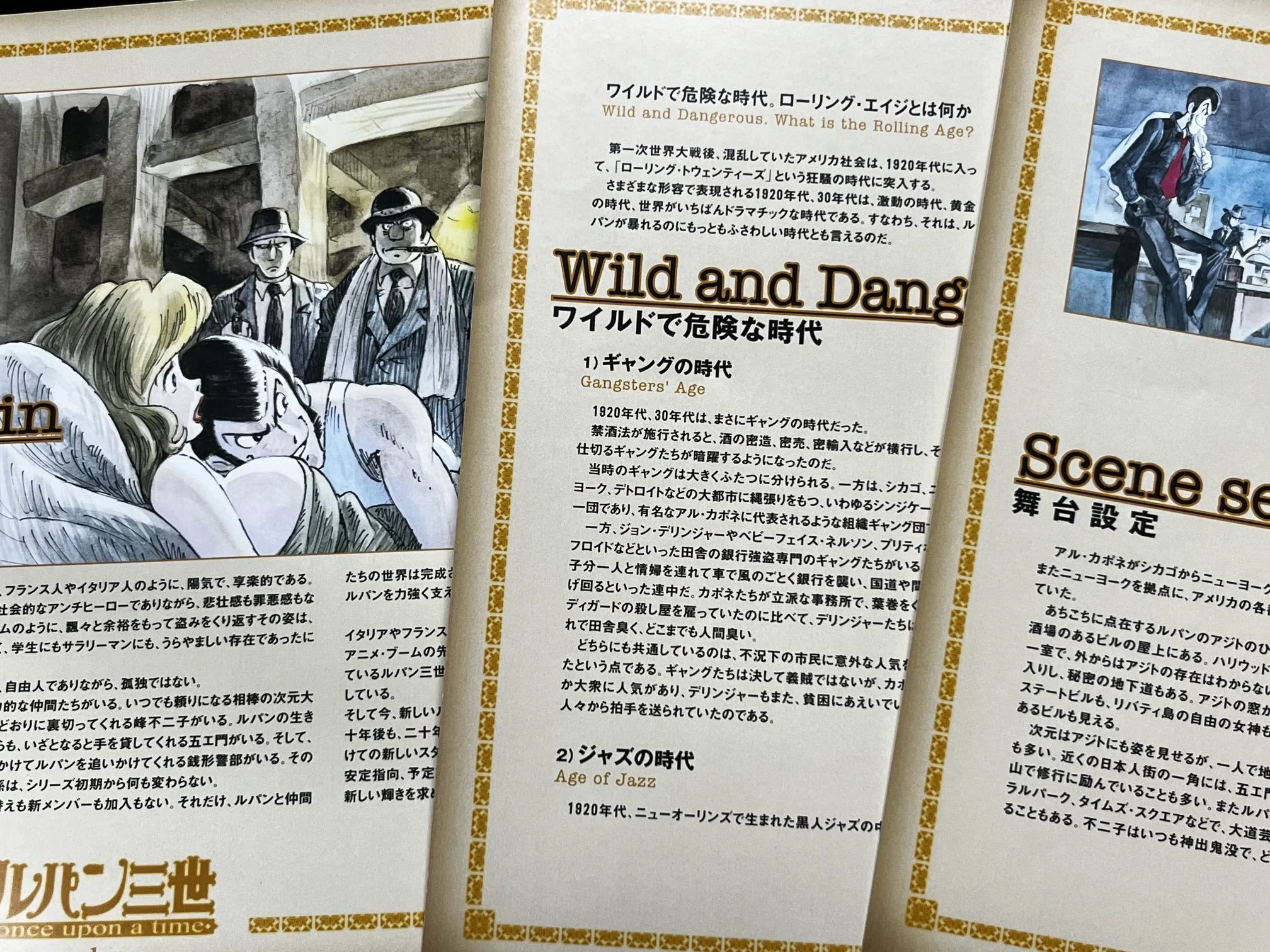
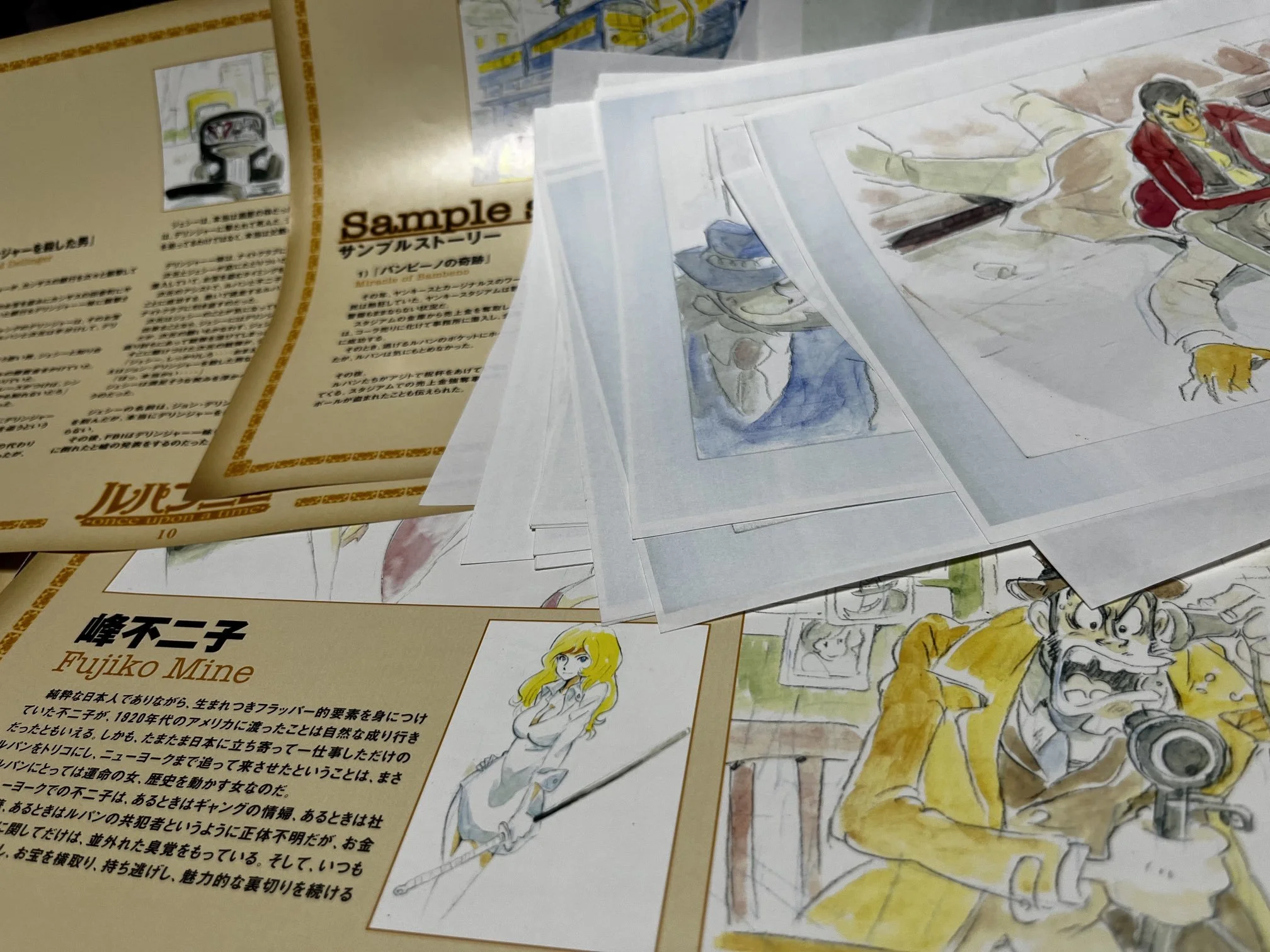
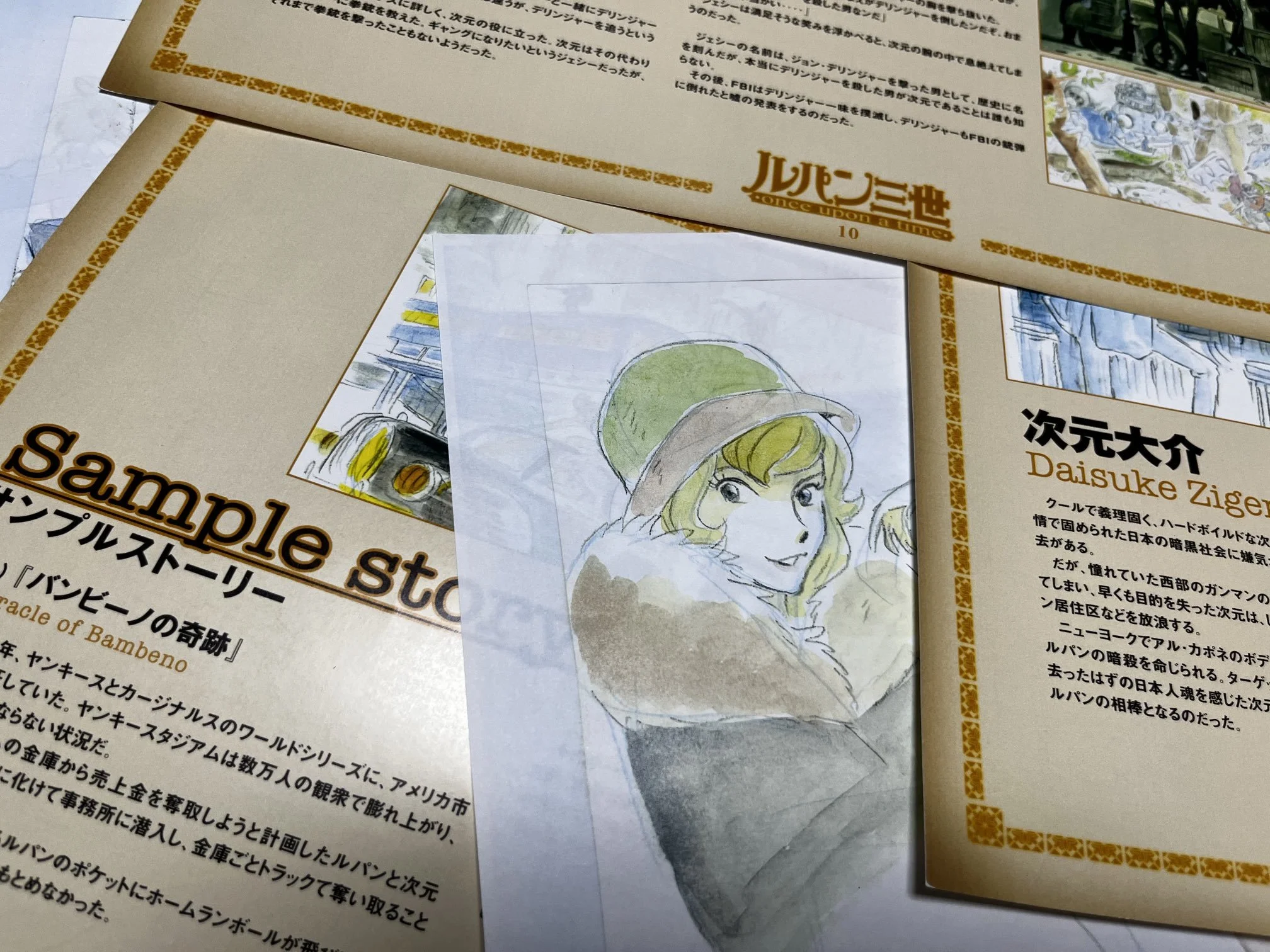
Above images sourced from: gmspmwueb on X
As many things with modern day Lupin, this could be traced all the way back to the 2008 OVA Green vs Red. The OVA was produced by Yu Kiyozono, arguably the architect of Lupin’s rebirth. Green vs Red’s writer, Toshimichi Okawa, had previously proposed a Lupin III TV series set in prohibition time America. The project known as Lupin III: Once Upon a Time would never see the light of day, maybe because having our protagonists operating during a time period prior to their own creation (1967) was then considered too bold of a move.
Toshihiko Masuda, an animator who later acted as a character designer on the 2004 television series Mankatsu in addition to various Lupin III animated music videos, was expected to take on the role of character designer on the cancelled Once Upon a Time. Despite not getting the opportunity, he lent his talents as animation director at both TMS and Studio Telecom, working on many Lupin III animated features, including the recent Lupin ZERO mini-series.
An element of that project remains in Green vs Red, not only with one of the fake Lupins piloting a WW2 fighting plane, but also in the many references to the franchise’s past, and the idea that many different Lupins are operating at all times, stepping away from the historical bloodline of Arsène Lupin, and more into the realm of legacy titles.
If Lupin the Third is not tied to a single person, who’s to say he and his friends must always follow a linear timeline?
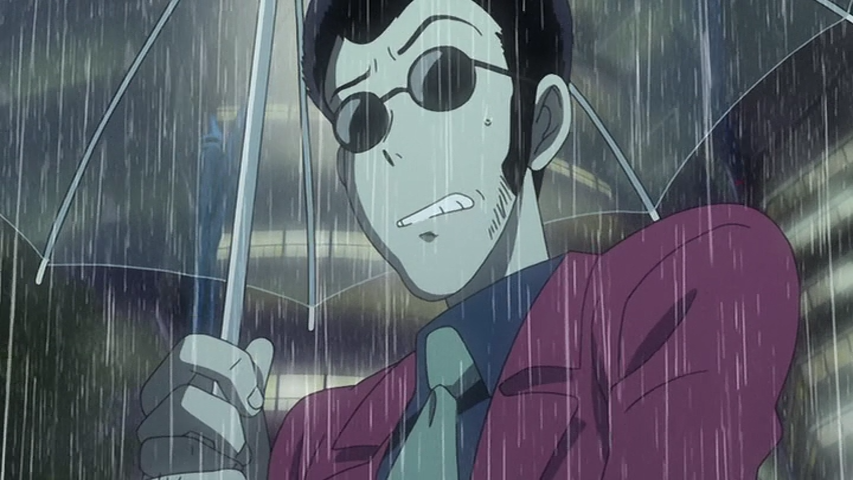
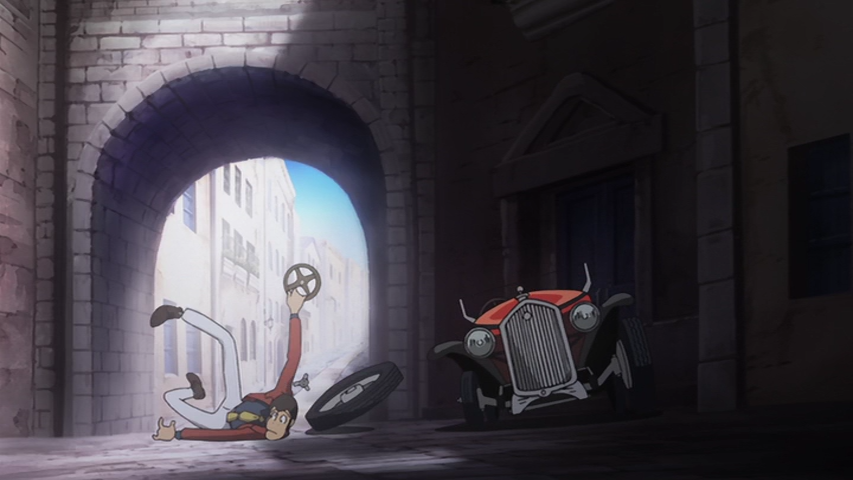
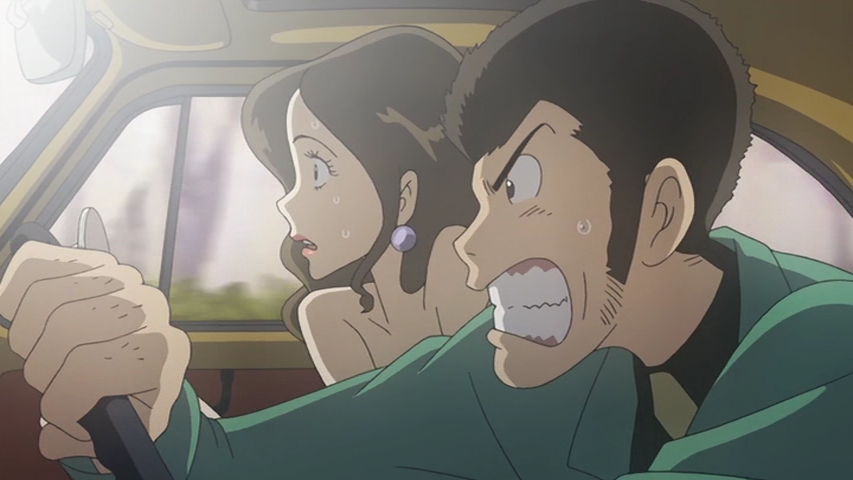
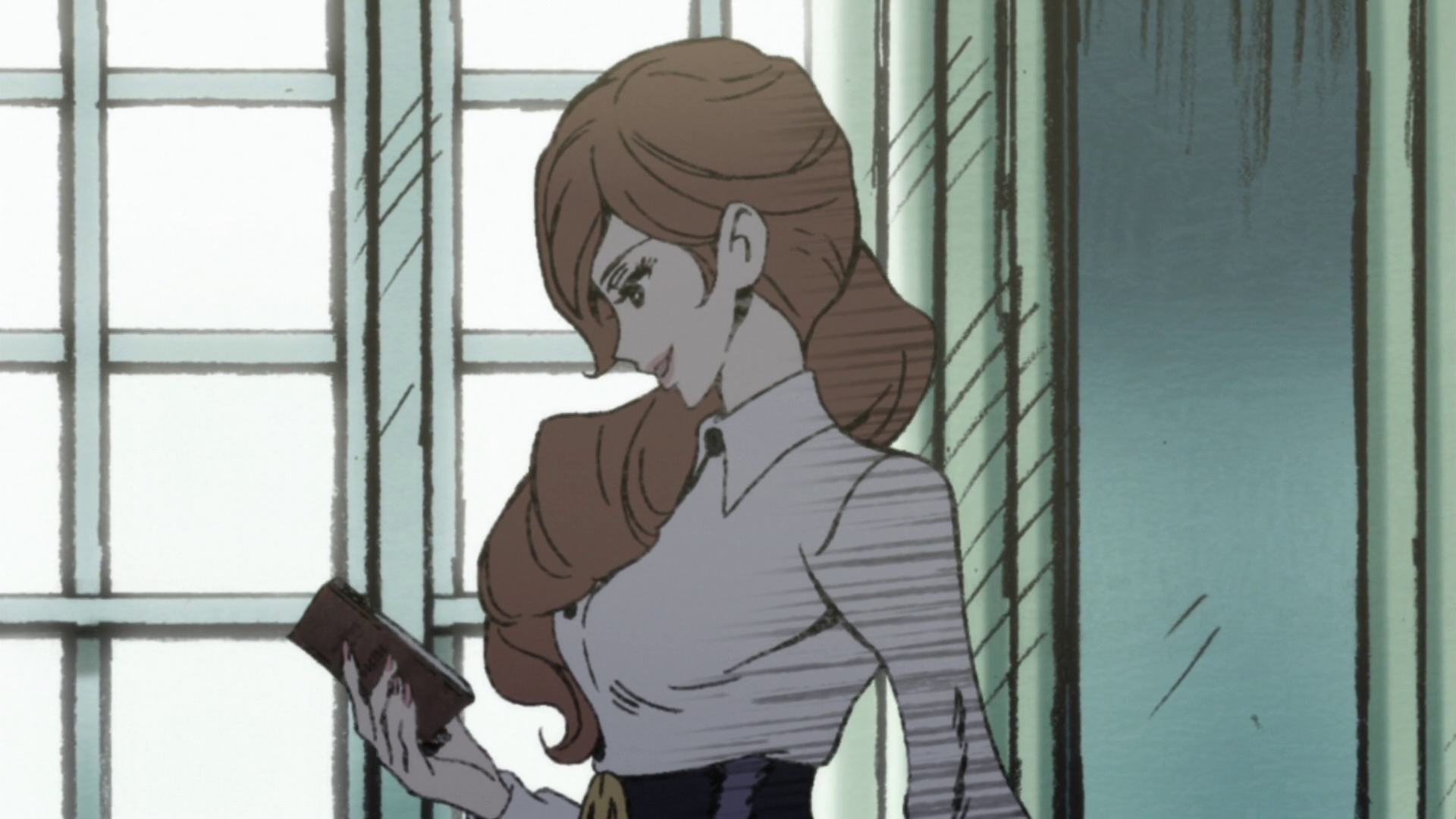
In 2012, Kiyozono would go even bolder by producing a spin-off series focused mainly on Fujiko Mine. While director Sayo Yamamoto and writer Mari Okada weave a deeply contemporary narrative with a strong feminist message, the story is set before Part 1, making it a virtual prequel where Fujiko is the common denominator, inadvertently gathering the whole gang for the first time. The aesthetic is also deeply entrenched in a sort of Gothic-Noir blend akin to European comics from the 70’s.
More importantly, the Fujiko series renewed with aspects of Monkey Punch’s original manga, with character designer Takeshi Koike drawing direct inspiration from the master’s works. Paying homage from the source material was apparently very important to Yu Kiyozono. While the producer grew up on watching episodes of Part 2, he held the original manga in high esteem.
And so, it is through the past, with nods to both the manga and previous anime series, that the franchise would gain new vitality. Stemming from the Fujiko series but not narratively tied to it, Jigen’s Gravestone and the subsequent Lupin the IIIrd OVAs, ONA and movie are all set in the early 1970’s, allowing Takeshi Koike and his team to play with the characters when they were less experienced and also less used to each-other’s company. Koike confirmed multiple times that his main inspiration were episodes 2 and 9 of Part 1, directed by Masaaki Osumi.
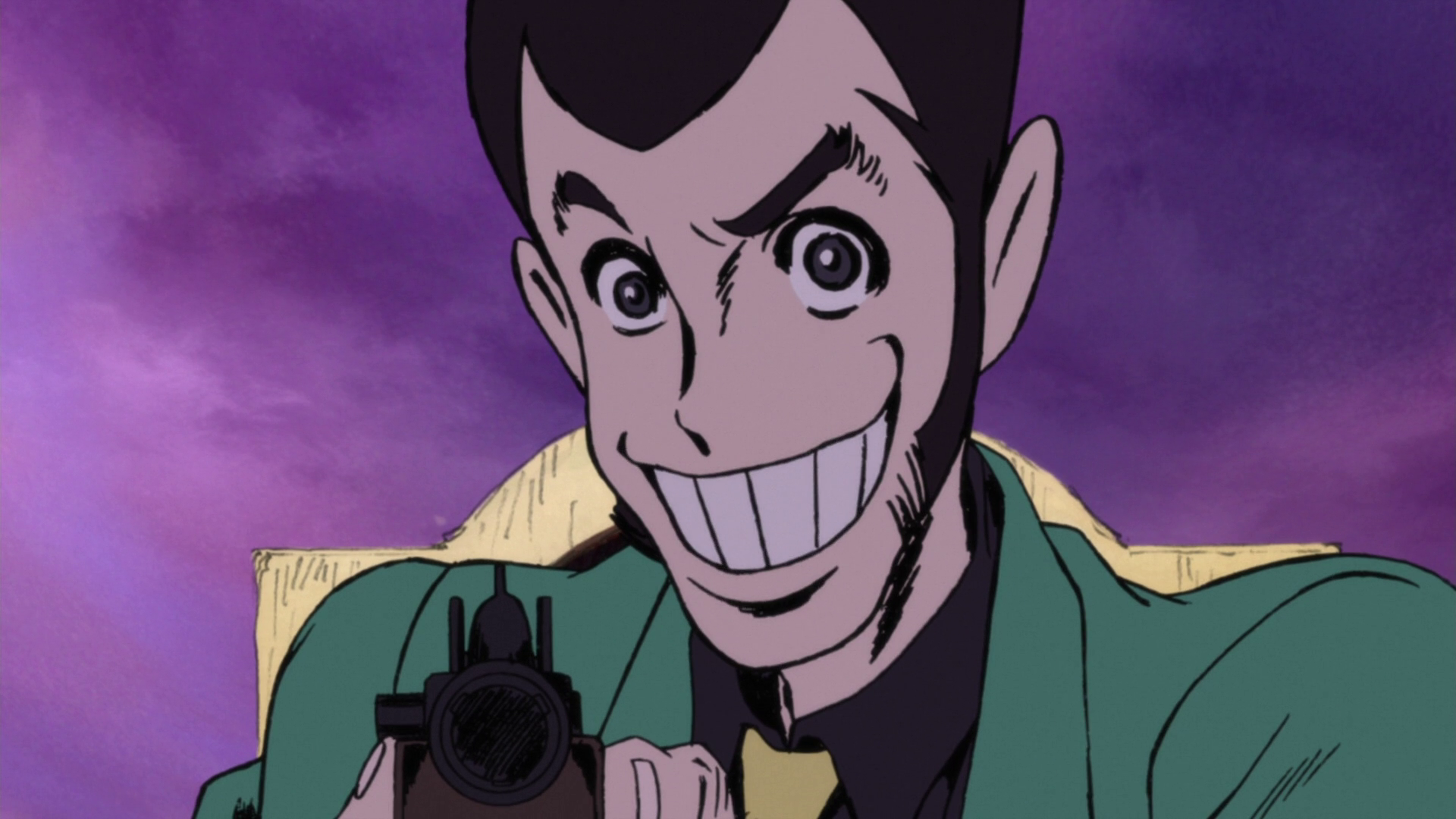
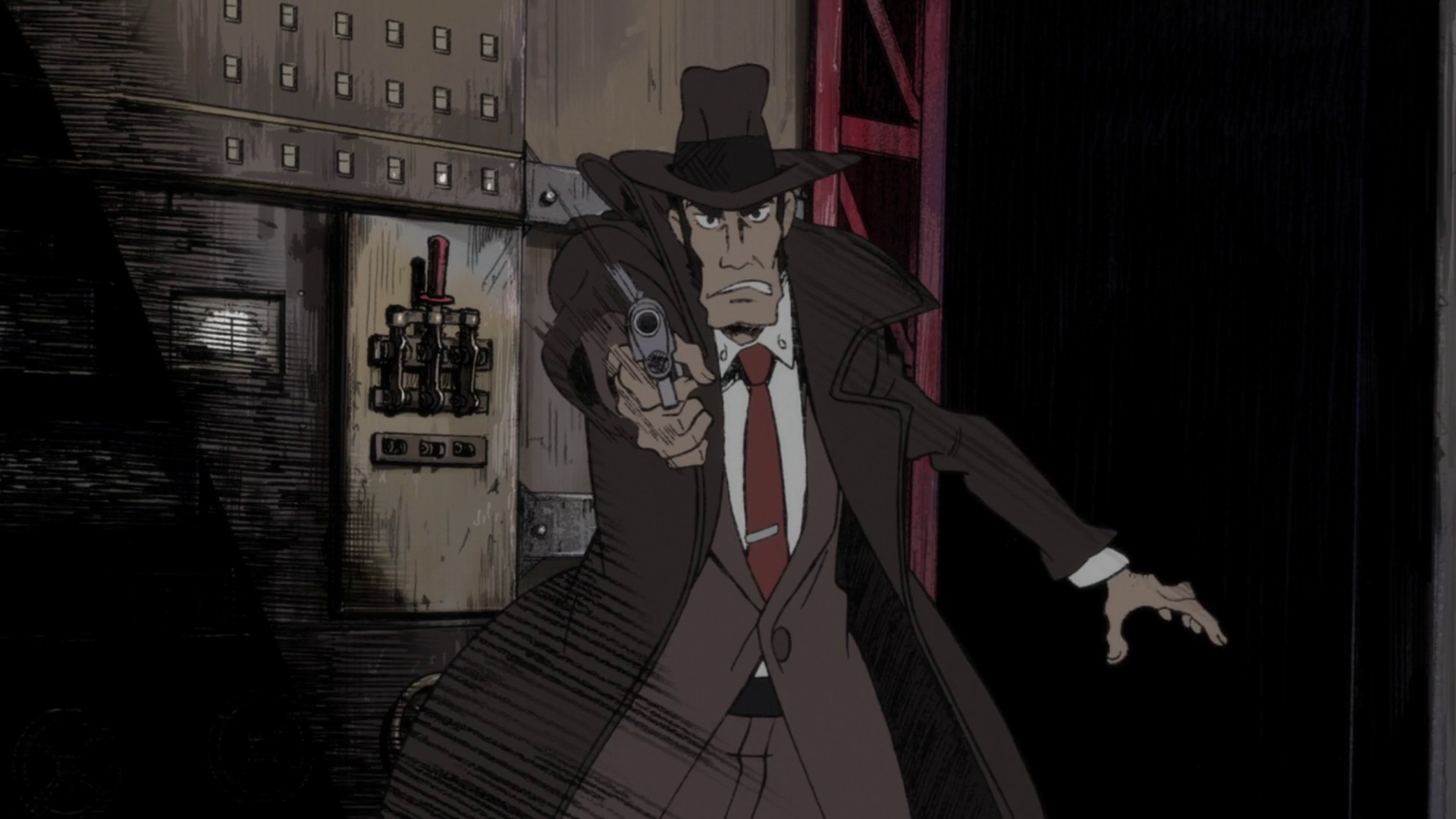
The overarching story’s mastermind is none other than Mamo, back in the franchise since his debut in 1978, making the Koike movies a tangential prequel to The Mystery of Mamo.
The rebirth was not stopping there, and when Part 4 was announced for 2015, it felt like a true and triumphant return to form. The series’ mainline was back, with a new jacket colour (shared with the Koikeverse) and Studio Telecom on the animation.
Created in 1975 by TMS founder Yutaka Fujioka, Telecom had provided quality animation on now legendary titles such as Sherlock Hound, and Western properties like Tiny Toons, The Animaniacs and Batman the Animated Series. The studio also often worked on the Lupin franchise until their reportedly difficult experience on the 1995 movie Farewell, Nostradamus.
Telecom would briefly return for the TV specials Elusiveness of the Fog in 2007 and Blood Seal of the Eternal Mermaid in 2011, but the “Koikeverse” along with Part 4 would mark their true comeback to the monkey-faced thief’s fold.
With the return of Lupin III on television in an episodic format, one would have assumed the series would go forward and catch up with the present day, like all the previous “parts” did before. This is true to an extent as Part 4 through Part 6 are supposed to be set in the time they were released, and several newly introduced characters are appearing throughout the new series.
But Part 4 makes little use of modern smartphones and computers, preferring to harken back to a more old-fashioned look and feel. One episode basically remakes episode 4 of Part 1, itself an adaptation of the original manga chapter. Another episode deals with old cars, grief and nostalgia. We are also given a Gothic romp with ghosts, a trip in Paris to steal the Mona Lisa (something Lupin already did in Part 2), etc.
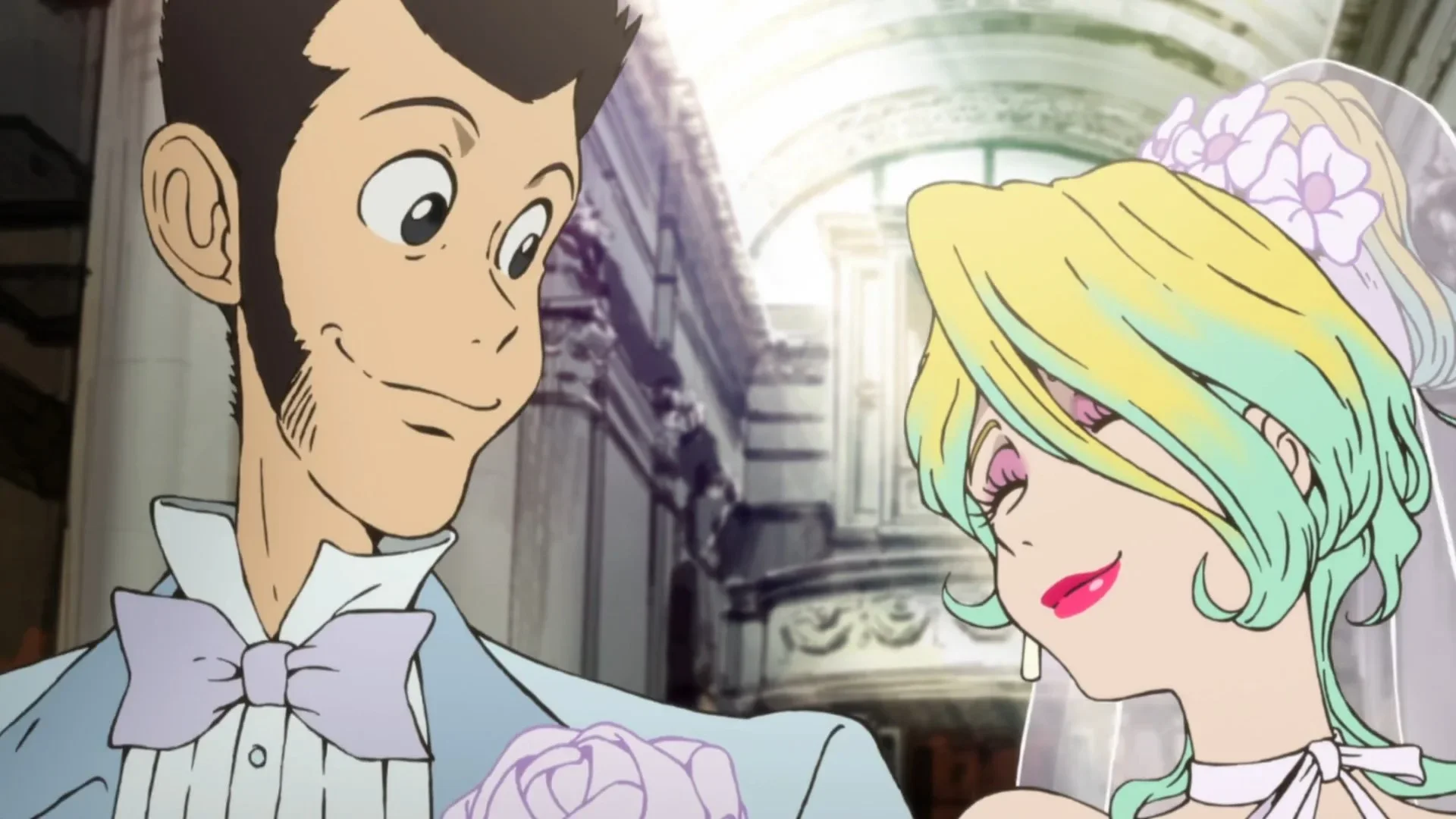
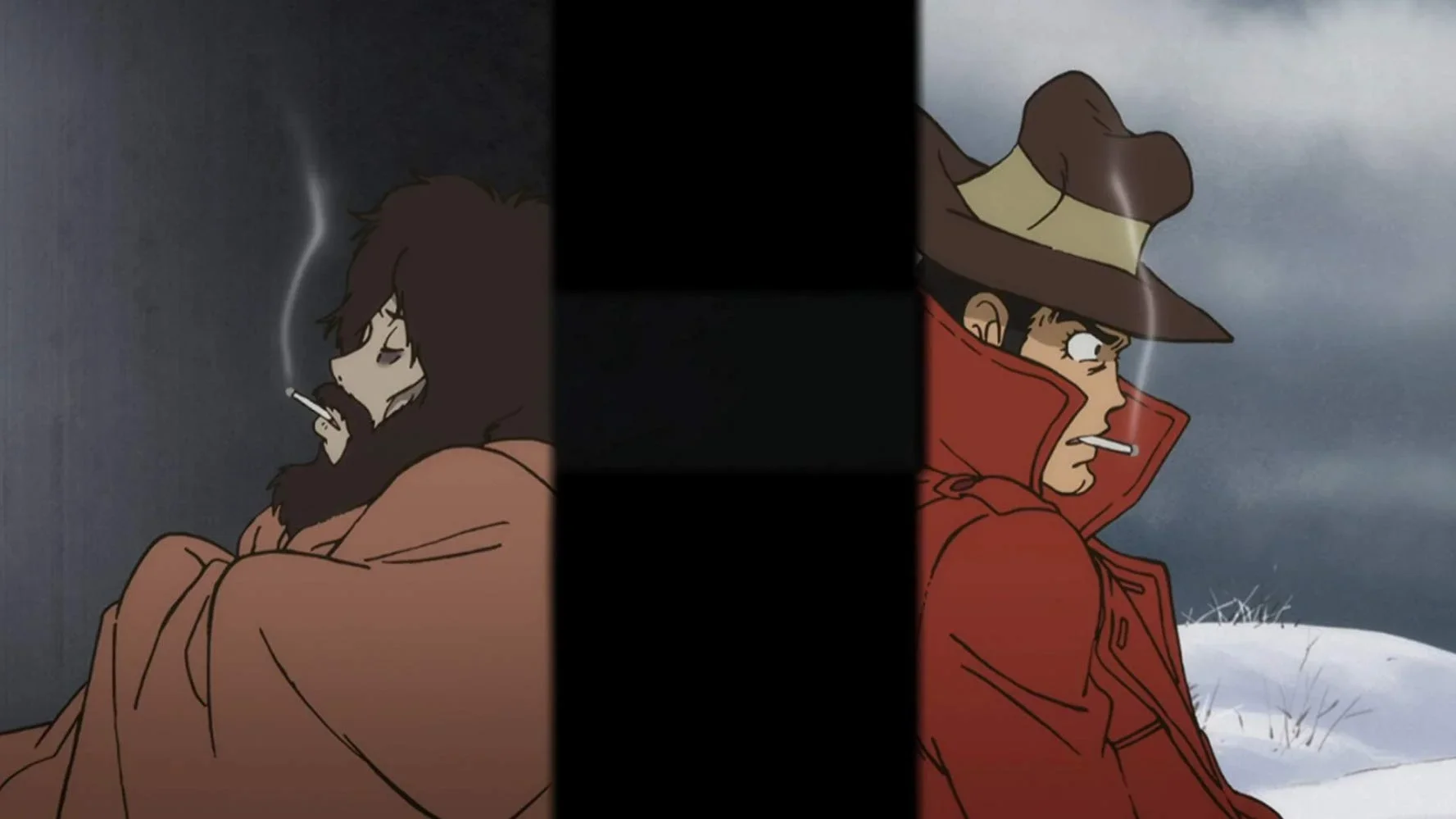
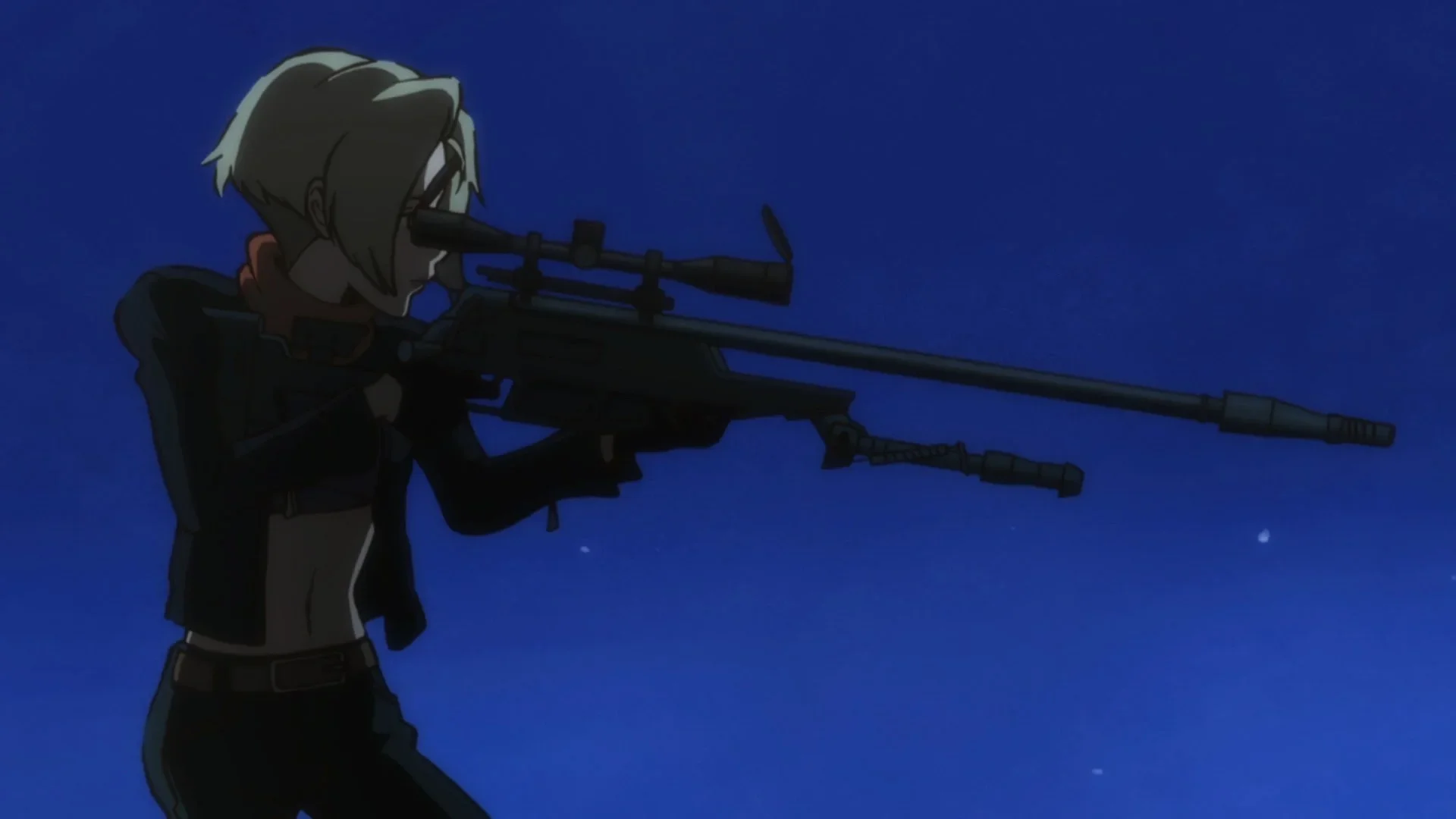
Director Kazuhide Tomonaga, who worked on the franchise since Part 2 and famously on Cagliostro and Fuma, wanted to embrace the franchise’s entire scope, from hard-boiled to tongue-in-cheek. Yu Kiyozono also wanted the series to balance out classic elements with more contemporary sensibilities as to avoid Lupin III to become a “nostalgic series”. Personally, I feel like the final result feels overall too retro for its own good, trapping Part 4 in an aesthetic time bubble.
I seem to be in a minority however, and Part 4 succeeded in introducing the franchise to a new generation without alienating the old guard. I would go as far to say that Part 4 did for GenZ what the Geneon / Pioneer dub of Part 2 did for Millennials. The recent French dub of Part 4, 10 years after its original release, proves the Italian Adventure’s lasting impact.
On the other hand, Part 5 dealt with our modern world’s technology and its ensuing anxieties head-on. Along with its more streamlined design, the franchise finally entered the 21st century, whether fans liked or not. At the same time though, we’re given several nods to the series’ past, with the first arc involving assassins straight out of Monkey Punch’s original works, and a finale filled with references to previous series, movies and tv specials. Part 5 also featured stand-alone episodes where Lupin wore the jackets of his past, again celebrating the thief’s decades-worth of stories.
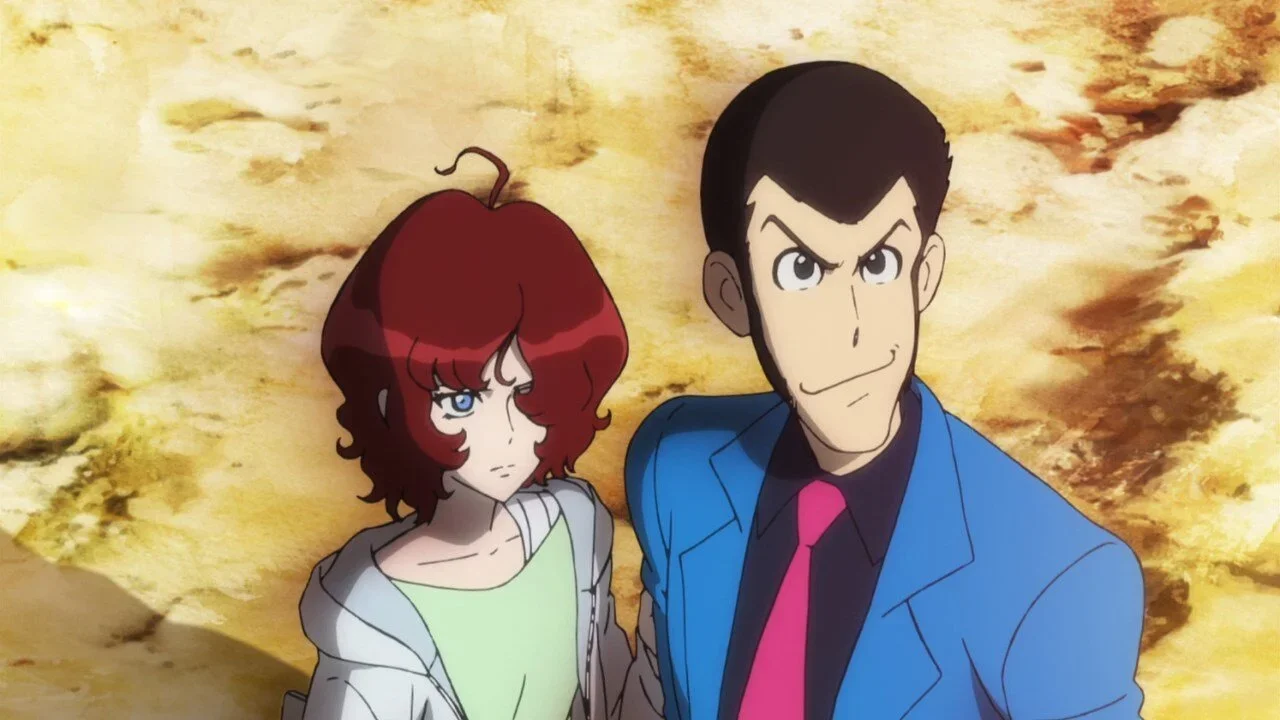
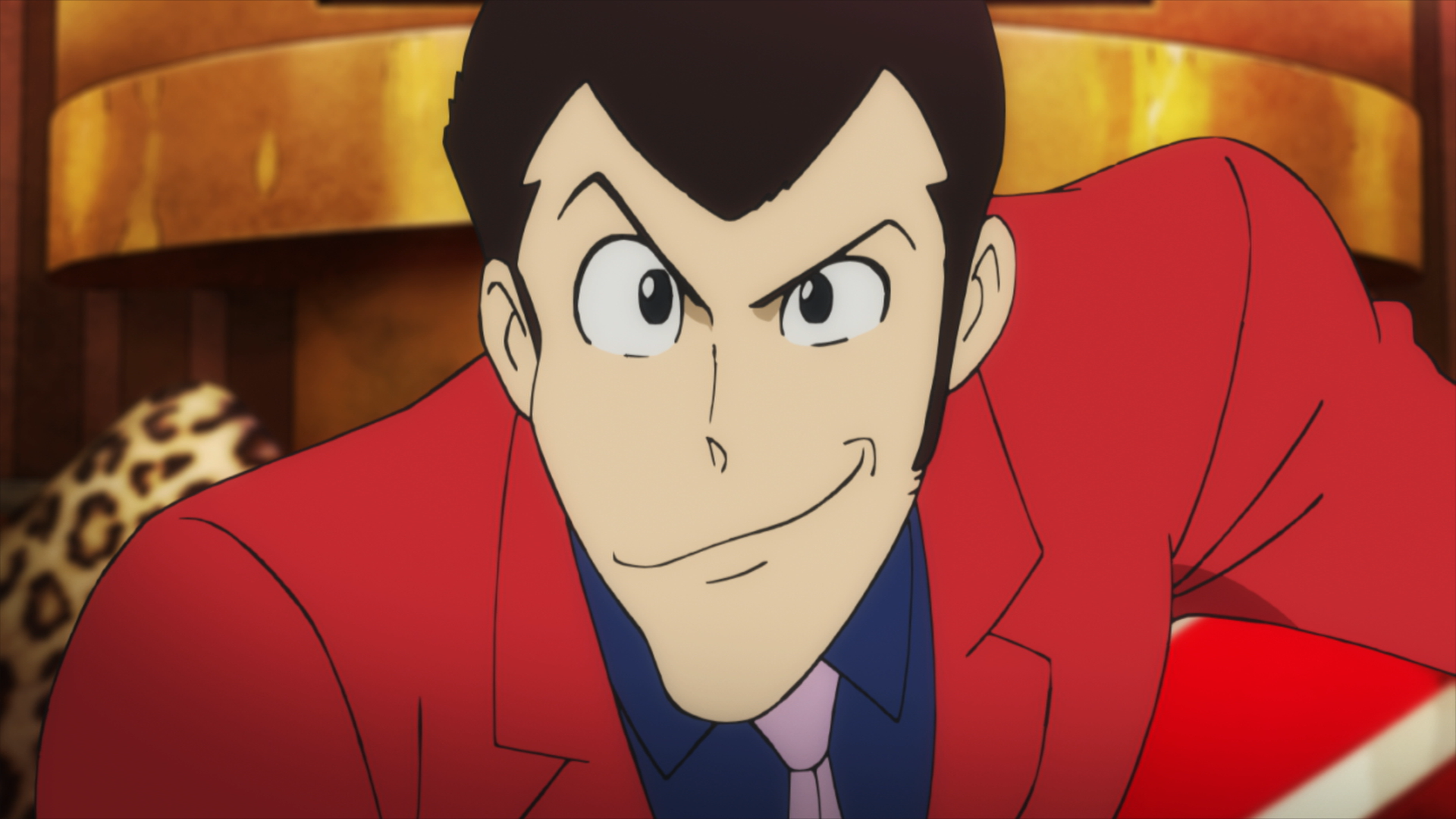
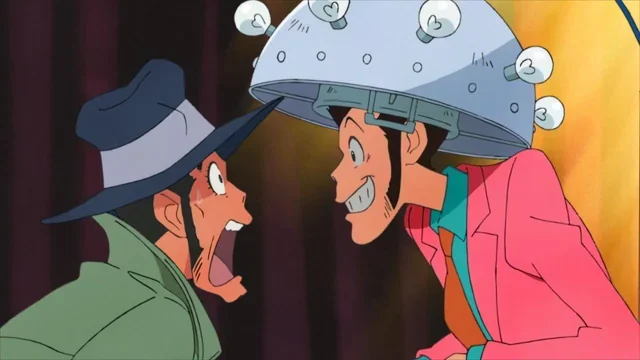
Announced before Part 5 but ultimately released as an episode, “Is Lupin still Burning?” directed by Monkey Punch himself directly references several episodes of previous series. Taking cues from “It’s a Wonderful Life” and “A Sound of Thunder”, Lupin literally travels through his own history, drastically changing the present until everything comes back to normal and returning foes Mister X & Mamou Kyosuke are defeated.
With Telecom handling most of the franchise’s 2D projects, TMS ventured in new techniques in its efforts to keep Lupin relevant in today’s industry.
In 2019, for his first true foray into CGI, Lupin came back to the 60’s and fought actual Nazis. Takashi Yamazaki’s Lupin III - the movie – the First used state-of-the-art animation by Marza Animation Planet to tell a good old-fashioned adventure romp like Indiana Jones did in his time. Yamazaki was also influenced by classic Franco-Belgian “bande-dessinée” such as Tintin. While the movie’s international release was hampered by the Pandemic, The First’s decision to be a period piece proved profitable, making it an easy gateway for new viewers.
Another CGI feature would come out in 2023, with the Cat’s Eye crossover. Set in the 80’s to fit with Cat’s Eye’s own timeline, the movie sadly fails to recapture either of the franchises’ magic, and while Lupin wears a pink jacket, the wooden cell-shaded models fail to reach a fraction of Aoki Yuzo’s manic energy from Part 3.
TMS kept experimenting and in the same year, the live-action Daisuke Jigen movie premiered on Amazon Prime. Tetsuji Tamayama reprised his role as the titular gunman after his debut in the 2014 live-action film of ill repute. The film seems to take place in an unspecified time bubble and while Adèle’s traffic shows disturbing parallels with certain Q-Anon conspiracy theories, the film’s cast and crew were more interested in bringing back a “Showa era” style of filmmaking, once again seeing the Lupin III franchise through the lens of the past.
The occasional return to the much-maligned TV special format was met with varying success, and while Blood of the Eternal Mermaid, Another Page, Princess of the Breeze, Goodbye Partner and Prison of the Past were all set in modern times, they also tried to bring back past-elements as well, mainly through exploitative references to Cagliostro.
When Part 6 was announced, as the world was barely recovering from the pandemic, the marketing hinted heavily at Lupin tackling the dangerous world of today. The end result, split in two halves, would be as much of a mixed bag aesthetically as it is narratively. Lupin took the blue jacket off, a colour that had until then symbolised his rebirth, to don the green jacket again. Telecom wouldn’t work on Part 6, with the animation instead given to a new structure, Studio Trois, working under the unenviable conditions of the global lockdown.
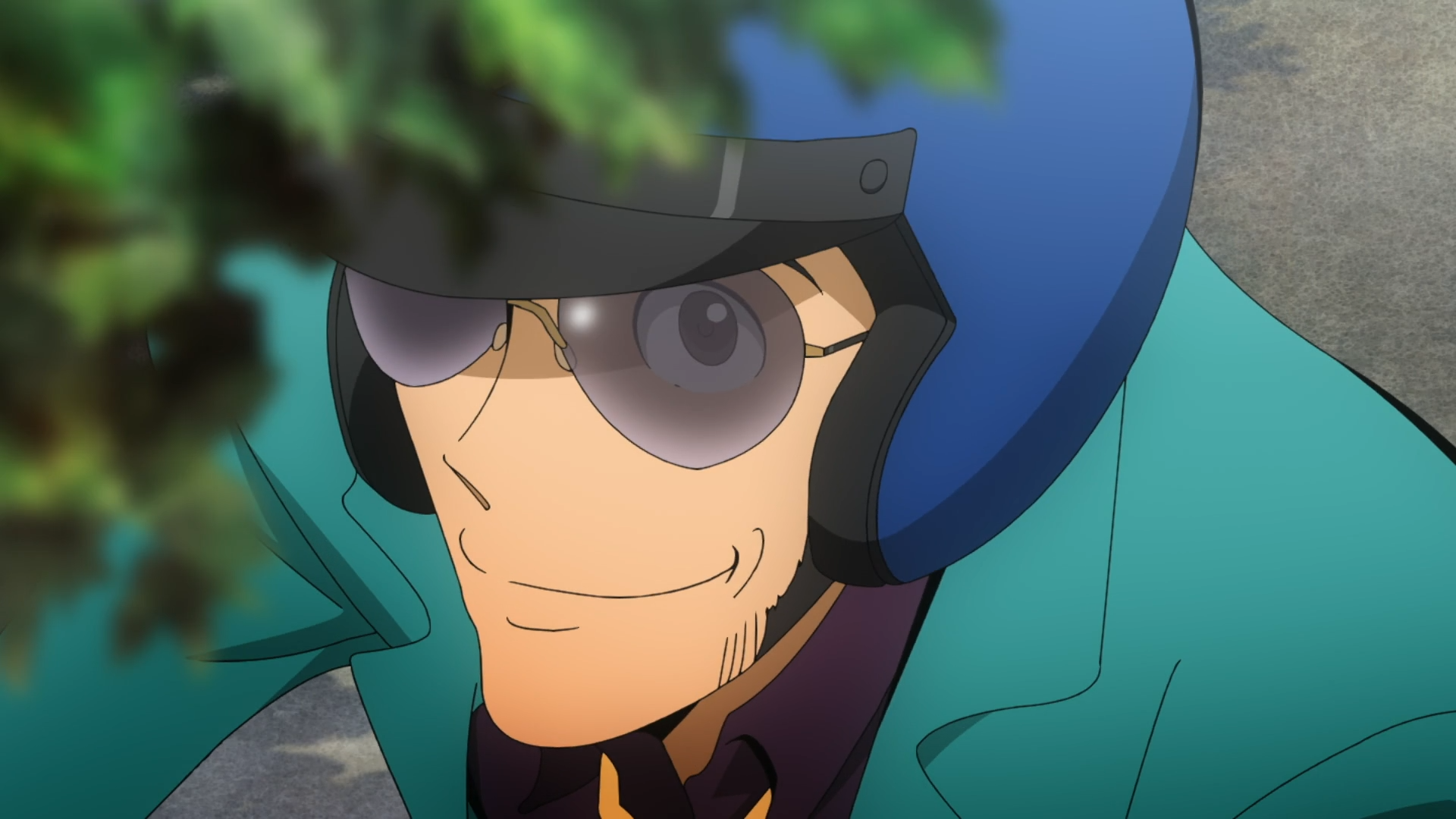
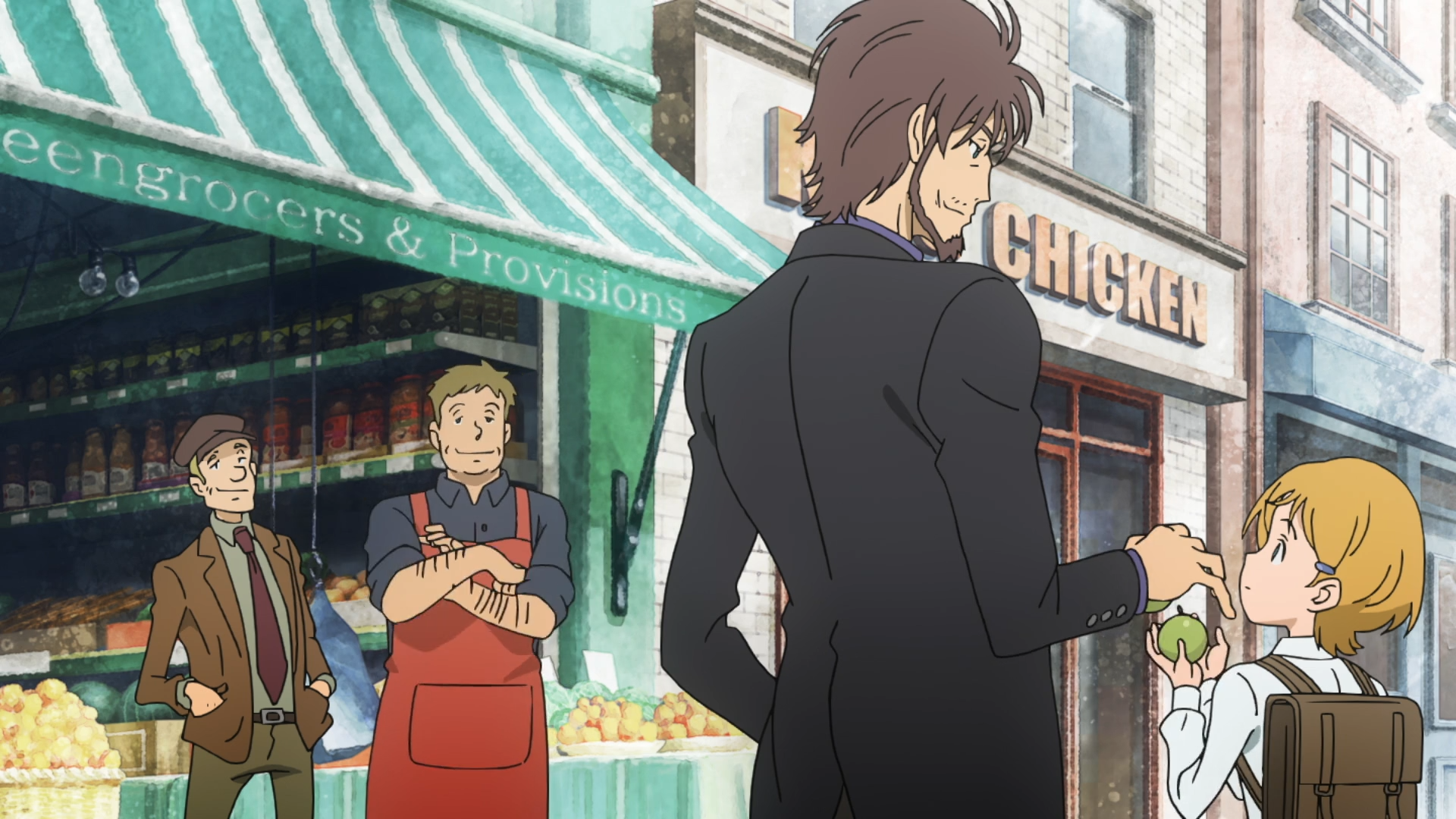

The first half of Part 6 made several nods to classic detective fiction, overshadowing the main plot focused on Sherlock Holmes, another figure of the past. The second half would weave topical issues such as political coups, deep fakes, and school shootings while making a then unknown figure of Lupin’s past the main antagonist. In many ways, Part 6 feels like an unbaked hodgepodge of ideas that were better explored in previous instalments. Surely this was the result of a rushed production, made worse by world events and financial troubles.
In 2023, a surprising third prequel series was announced: Lupin Zero!! Set before Part 1, the 6-episode series is a big love letter to the Showa era and Lupin’s past, taking visual and narrative cues from both the green jacket series and the original manga, introducing Lupin II (voiced by Fuma Lupin Toshio Furukawa) and an old, lecherous Arsène (voiced by Yoshito Yasuhara who was once offered the role of Lupin III).
The soundtrack reprised compositions by Takeo Yamashita, never heard in the franchise since 1972. The mob boss in the first episode is even named Fujioka, after TMS’ and Telecom’s founder. The series fits effortlessly into the franchise’ history and is considered by many as Lupin’s best outing in recent years.
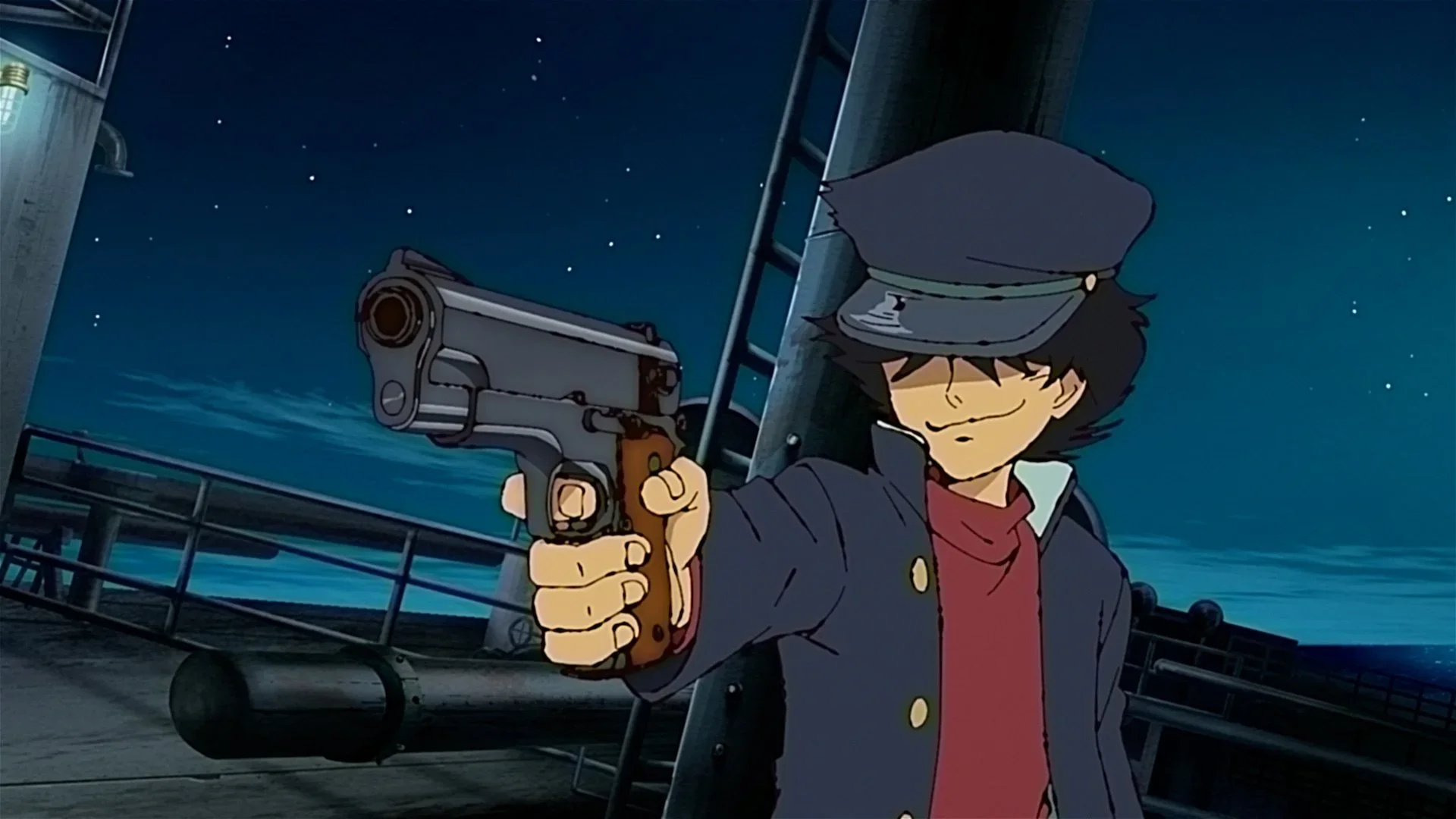
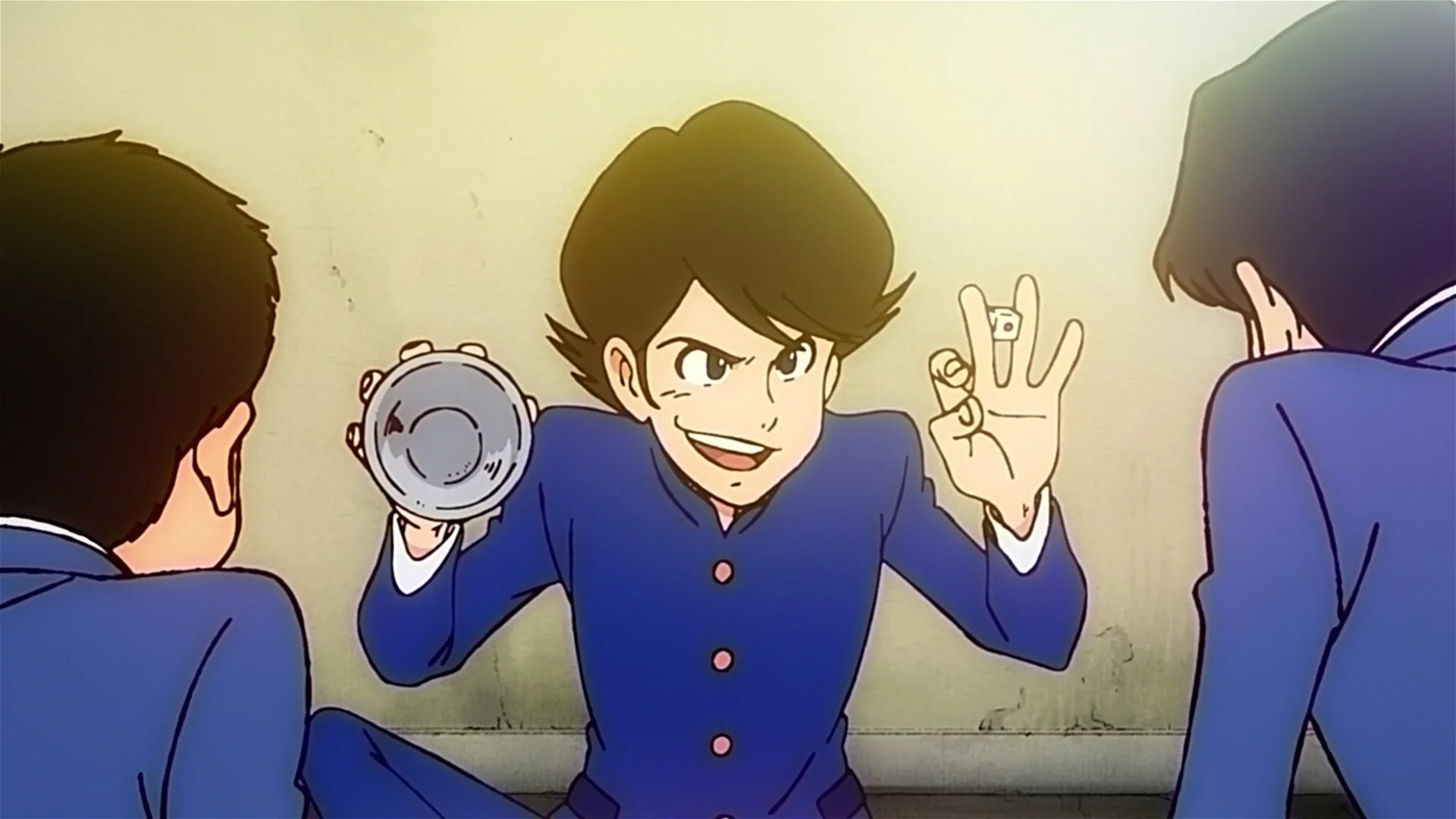
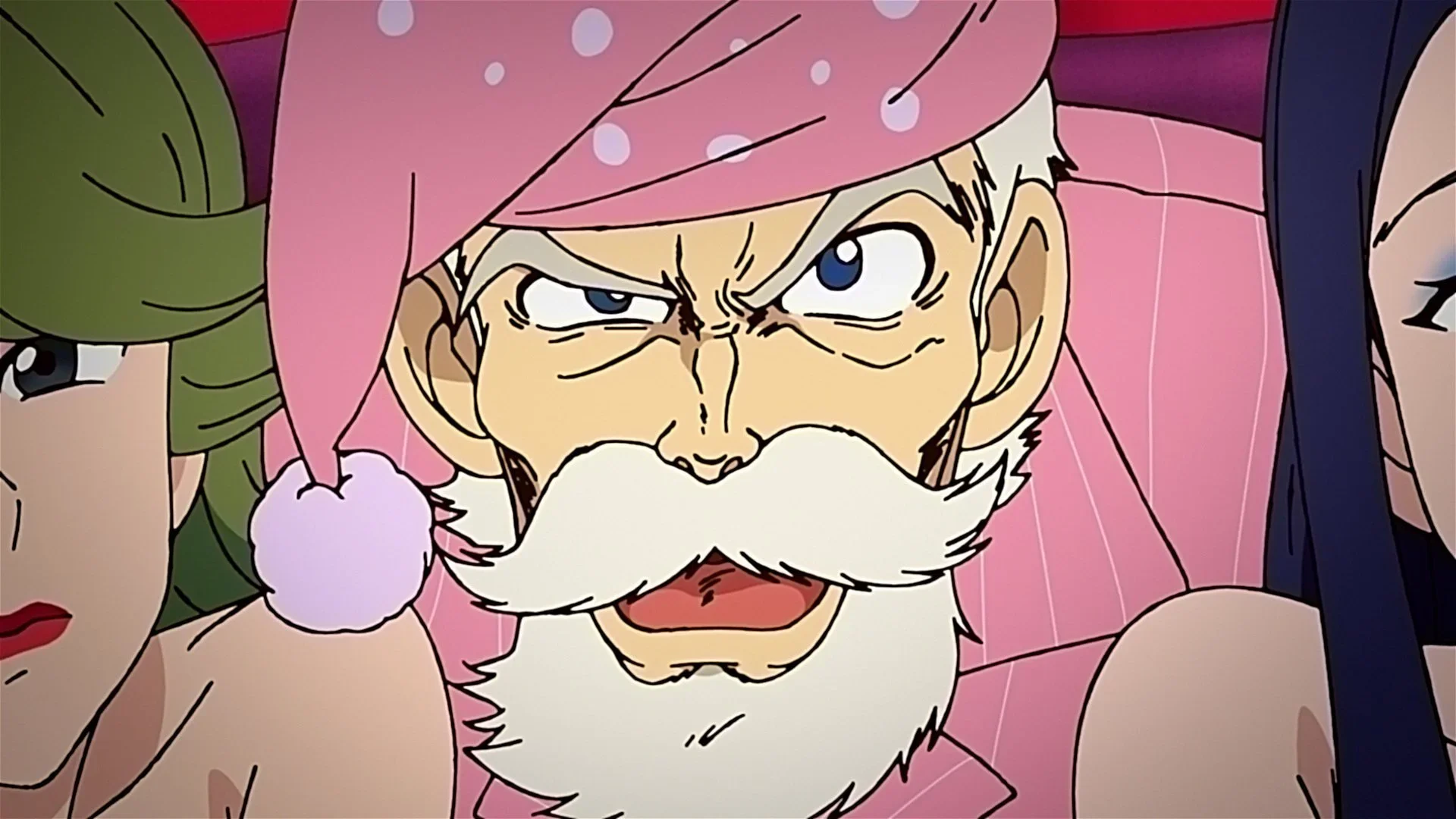
As of today, while we’re celebrating Part 1’s 55th anniversary, the franchise has yet to release a new opus. Takeshi Koike’s own take on Lupin ended with 2025’s The Immortal Bloodline. Studio Telecom had been facing financial troubles for years, and Koike’s movie would be the studio’s swan song before its dissolution and reabsorption by TMS in 2026.
It is time to look at “Nupin” as a whole and see which lessons we can learn from it.
With its heavy-handed topical themes, and its occasional forays into psychological horror, Part 6 arguably marked the logical extreme to a narrative and tonal strategy that started with Part 4, with overarching narratives and a (vague) focus on one location.
While heavier on plot than the “classic” series of yore, the last three Lupin III TV series were still ripe with stand-alone episodes, some of them being actual highlights such as the two Part 6 episodes written by Mamoru Oshii, getting a chance at working for the franchise after his ambitious movie project was cancelled in the mid-80’s, replaced by Legend of the Gold of Babylon.
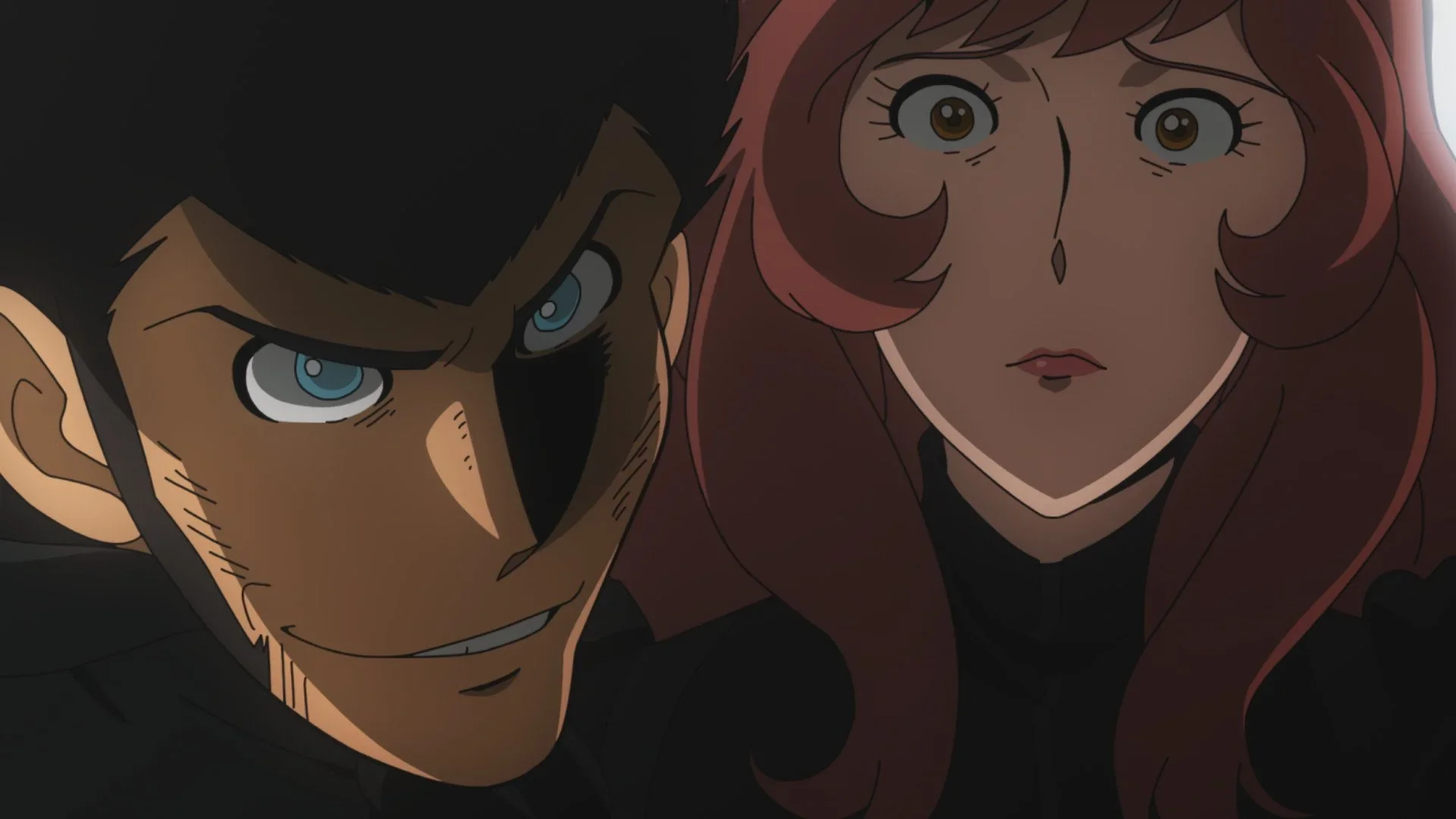
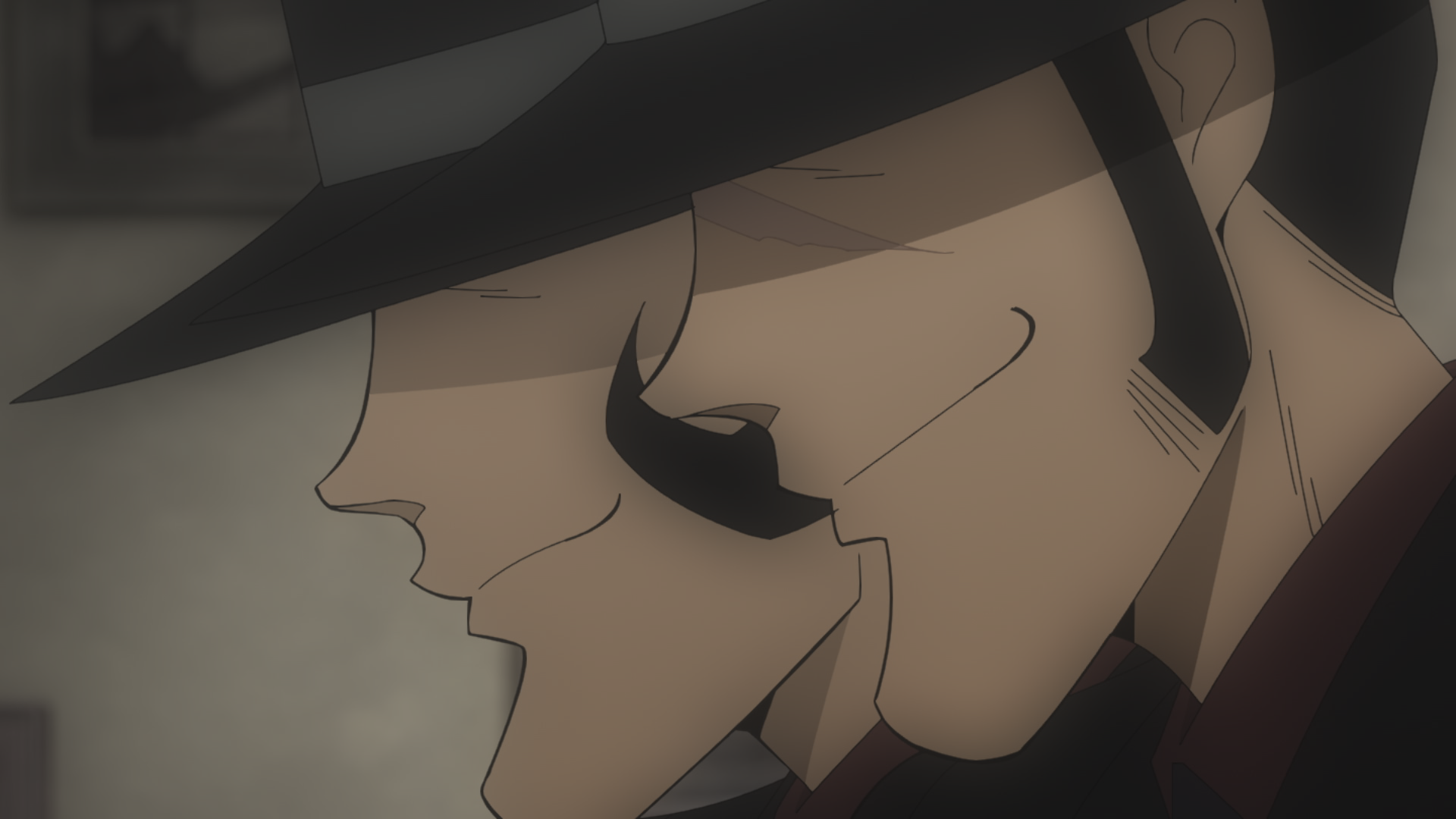
While the inclusion of longer narrative threads has alienated some older viewers, it is the necessity of a changing landscape in the industry, and the way we watch media. Those plots however are no stranger to the franchise.
Lupin and / or Fujiko have already tried to get married multiple times, especially in Part 2. We had already seen villains trying to control the world through technology, or the gang temporarily disbanding after an argument. Lupin already thought with descendants of Sherlock Holmes, as well. The difference is that those storylines used to be wrapped up in one or two episodes. Now, they make the bulk of an entire series.
The streaming age and plethoric offer, with more anime titles every season, put pressure on the industry to keep viewers engaged, and therefore focus on what we call “character drama”. But after three series in that vein, is a plot-heavy narrative filled with character deconstructions really the way to go in the future? A mould can only be broken so much.
With a big plot or not, it is undeniable however, that the episodic format remains Lupin’s best option, where the unique cocktail that we learned to savour can fully express itself in its many flavours. To convince us of that fact, we only need to listen to the late great Yuji Ohno’s compositions for Parts 4 through 6.
By his own admission, the legendary jazzman didn’t like most of the TV specials that kept the franchise in creative bankruptcy. With the Italian Adventure, Ohno was re-energised and his music shows. This newfound vitality could also be heard in his fantastic soundtrack for Lupin III – the movie: The First, proving us once again the old master was far from done even late in his life.
Yuji Ohno’s passing is not only deeply sad on a human level, it also marks the end of an era for the entire franchise. Ohno gave new life to Lupin III back in 1977, and he did it time and again, up to 2022 with Part 6. Now the piano keys stand still, and the franchise will have to find the courage to move on with a new composer.
Interestingly, the process had already begun with Naruyoshi Kikuchi composing for A Woman called Fujiko Mine, James Shimoji for the Lupin the IIIrd saga, and Yoshihide Otomo resurrecting Takeo Yamashita’s music for Lupin Zero. Those three iterations however were all exploring Lupin’s past. The present belonged to Ohno.
Even live productions such as Takarazuka’s revue Lupin III: In Search of the Queen's Necklace! in 2015 and the two Kabuki plays in 2024 and 2026 feature our loveable scamps in historical periods, late 18th Century France for the former and feudal Japan for the latter.
Oddly enough, none of the prequel series are part of the same “canon”, oftentimes contradicting each-other, as if TMS was keeping the door open for yet another potential timeline. Lupin is living so much in the present, he can’t have only one past. Like a certain comic book villain, he’d rather have multiple choice. But unless we get to see Lupin’s high school days, it seems our monkey-faced thief has explored the past often enough.
At the time of this writing, Yu Kiyozono has become CEO of a new studio, Electric Circus, founded in 2024. His first project as producer is the second season of Ao no Hako, a TMS property. Daisuke Sakou, who worked on Part IV, Goemon’s Bloodspray, Part V, Lupin Zero, and The Immortal Bloodline, is directing the series.
Animator Henry Thurlow, who also worked on The Immortal Bloodline, has also jumped onboard Electric Circus. Thurlow has recently teased the studio’s future collaboration with gigantic franchises on social media.
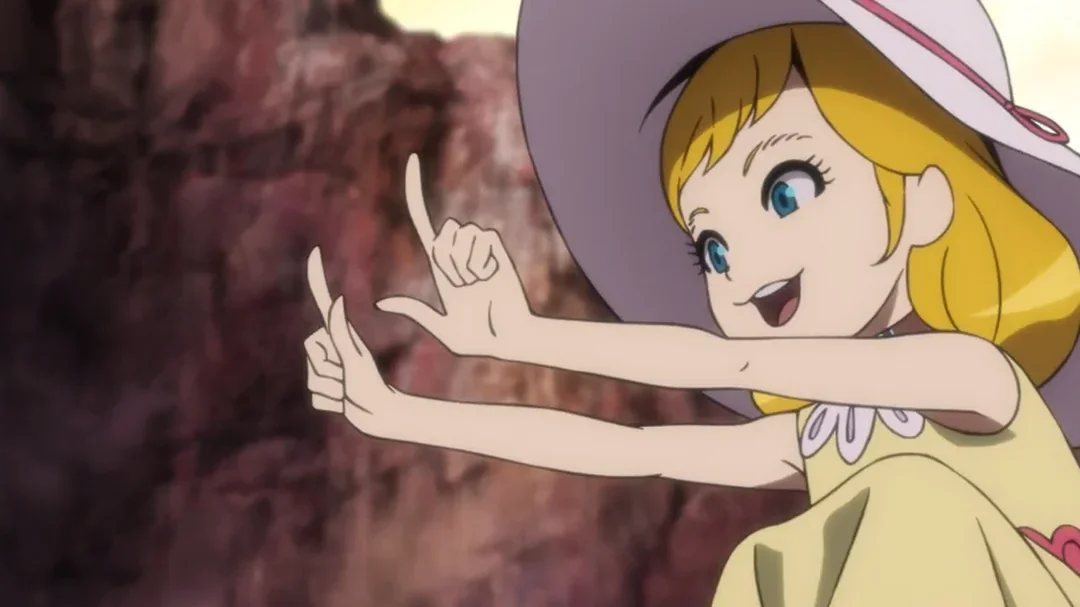
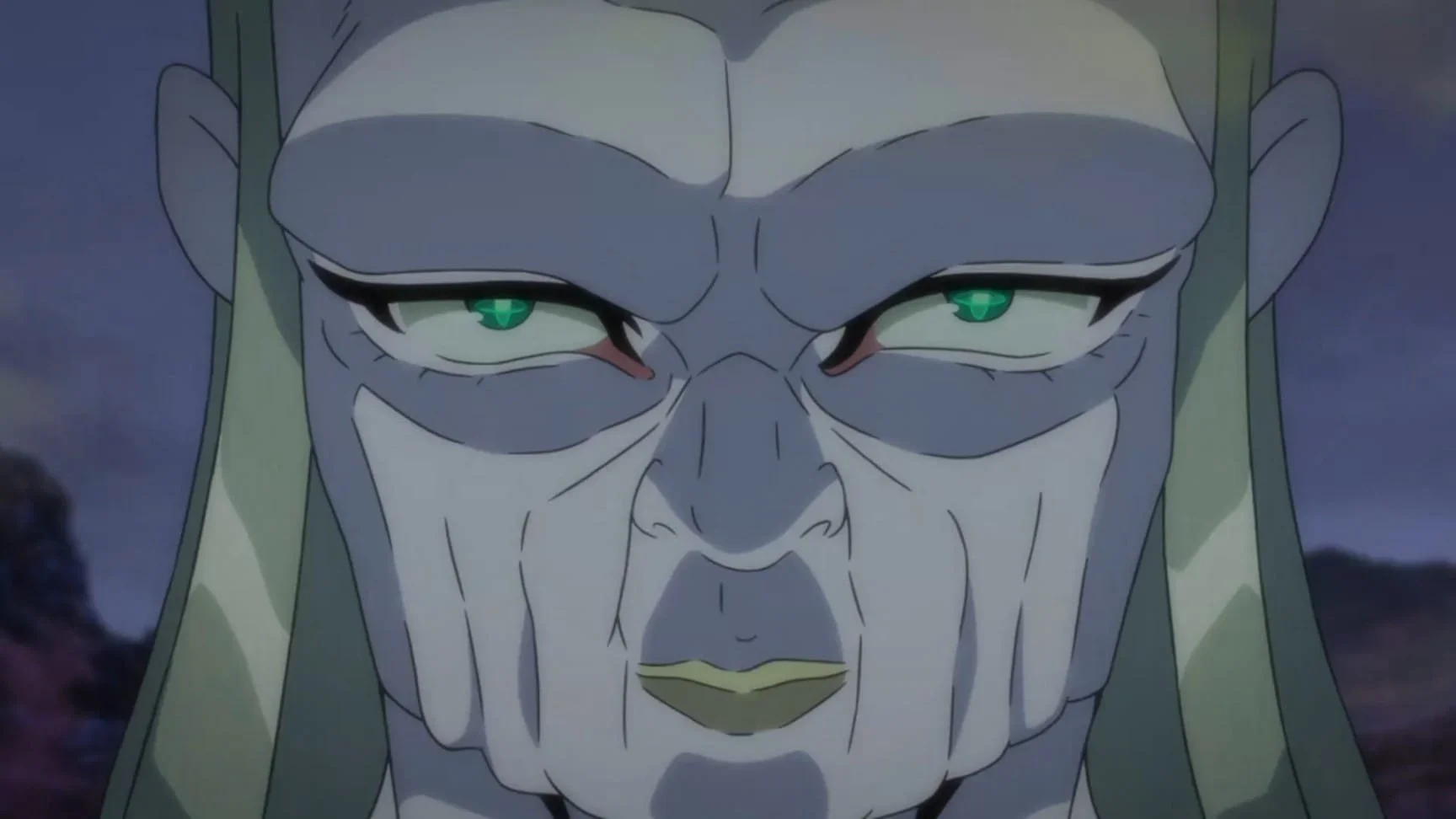
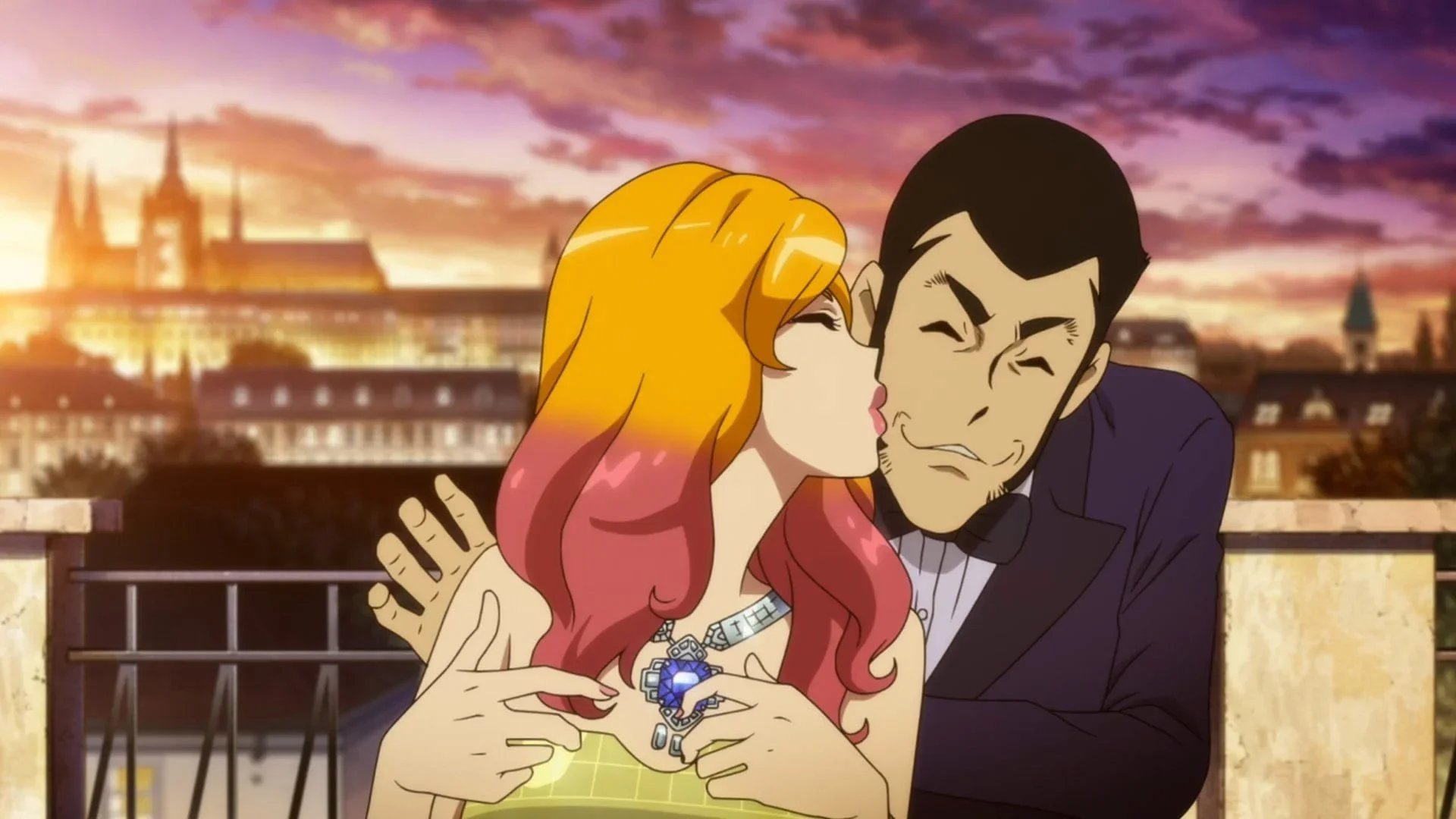
While this is all speculation, maybe Lupin’s future in animation resides with Electric Circus, a relative newcomer but still managed by people who are very familiar with the franchise. This would turn the end of Telecom into a more positive narrative, and maybe usher yet another rebirth for the franchise.
Killing the past is not always the wisest move. Rather, it is by making peace with it that we can truly advance. Whether Lupin III goes back in time once again, or challenges our current climate head-on, what matters is to stay true to the series’ core, and tell a good story. That’s how the master thief will steal our hearts all over again.
